

Soyombo
Project description
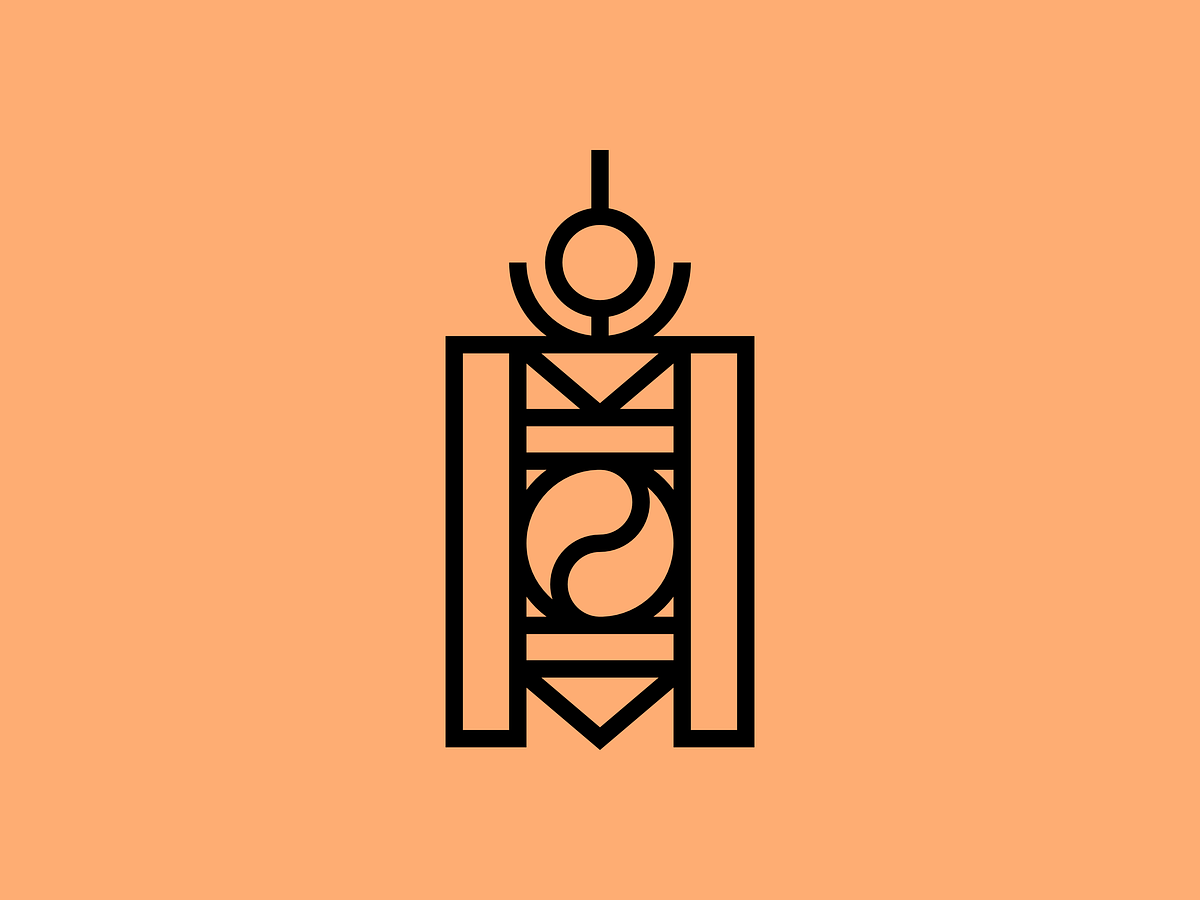
Soyombo Symbol The Soyombo originated as the opening symbol of the Soyombo script, created by Öndör Gegeen Zanabazar in 1686. He developed the script to represent Mongolian, Tibetan, and Sanskrit, particularly for Buddhist texts. Its name derives from the Sanskrit word svayambhu, meaning “self-arisen” or “self-created.” The symbol carries philosophical meanings concerning the universe and living existence. Interpretations connect its forms with the five elements—earth, water, fire, air, and space—and with the human body. Rooted in writing and spiritual thought, the Soyombo later became an enduring emblem of Mongolia’s independence, sovereignty, and national unity.


Support this project
Be the first to upvote