Naming and visual identity for Trusterity
Project description
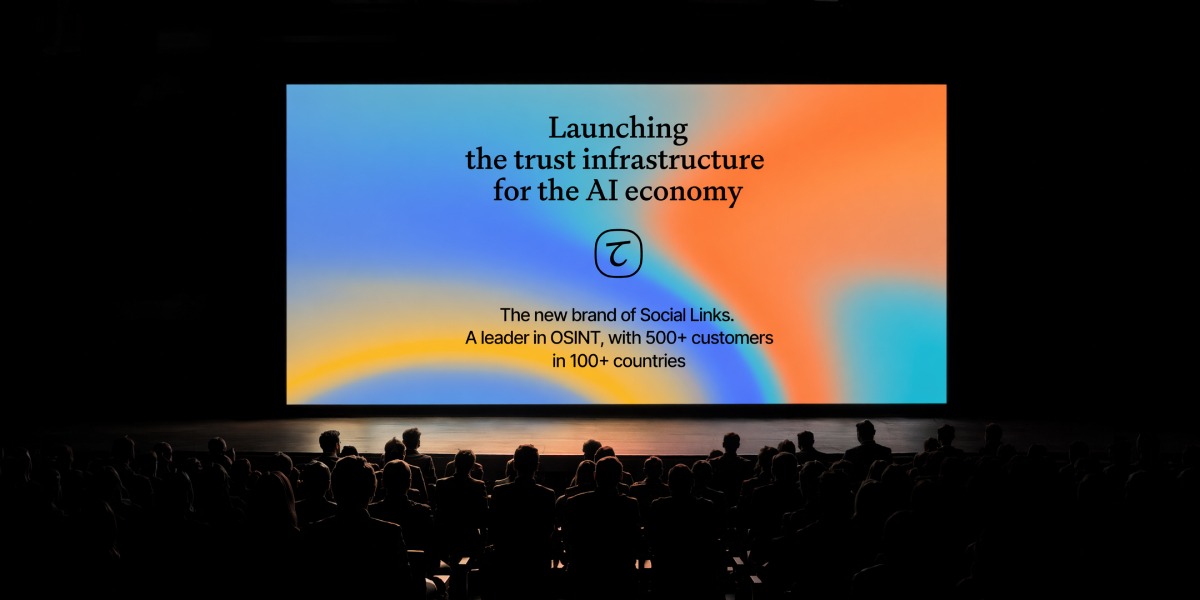
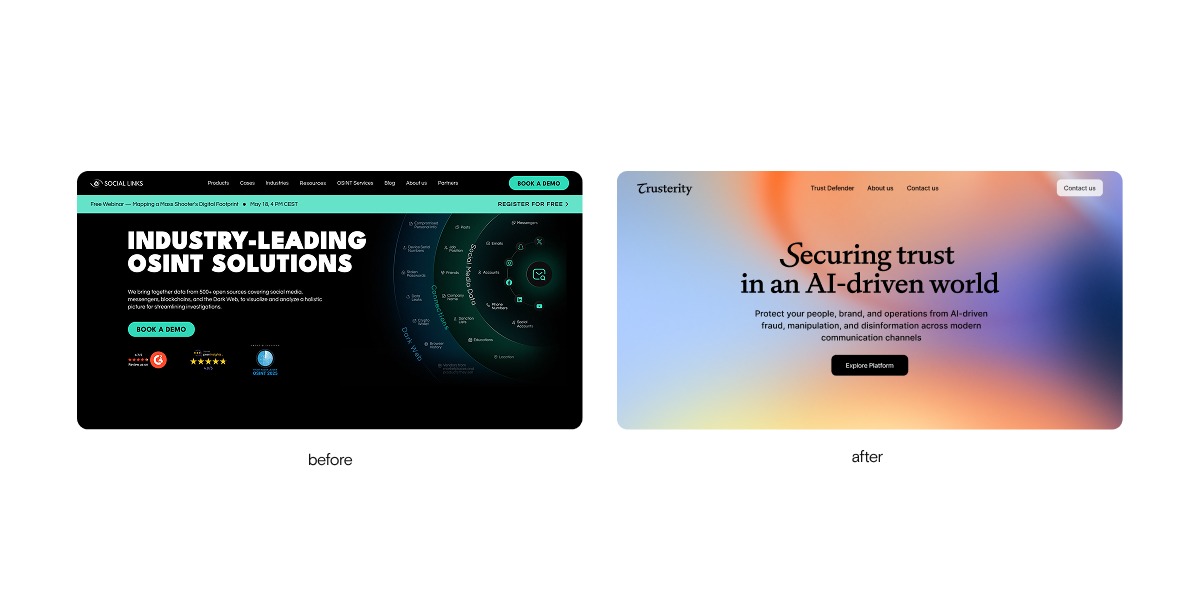
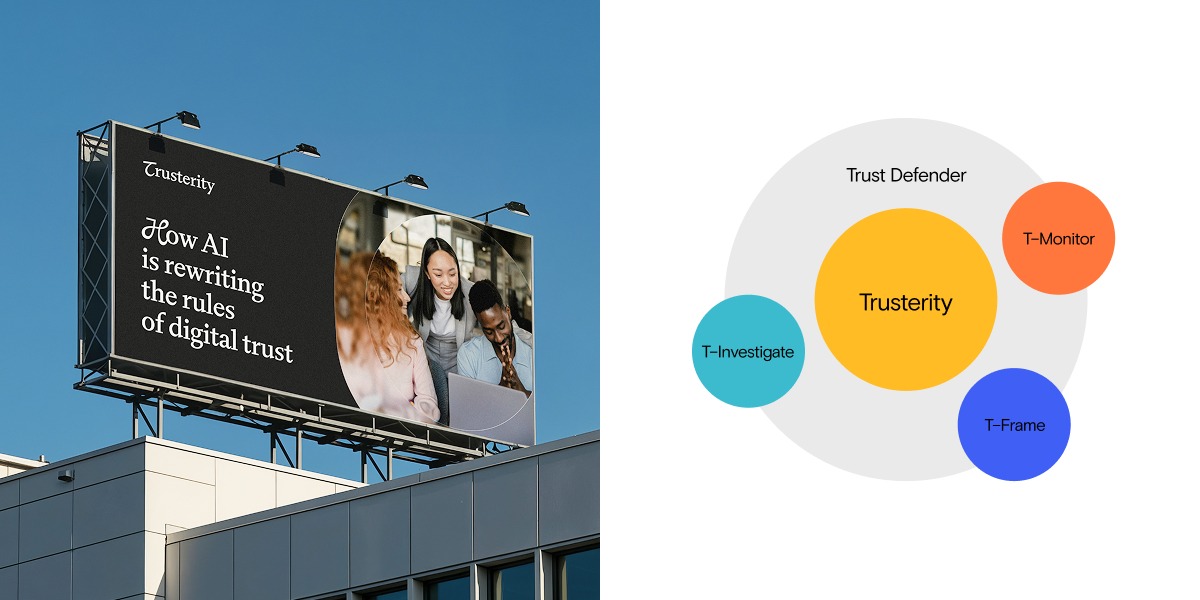
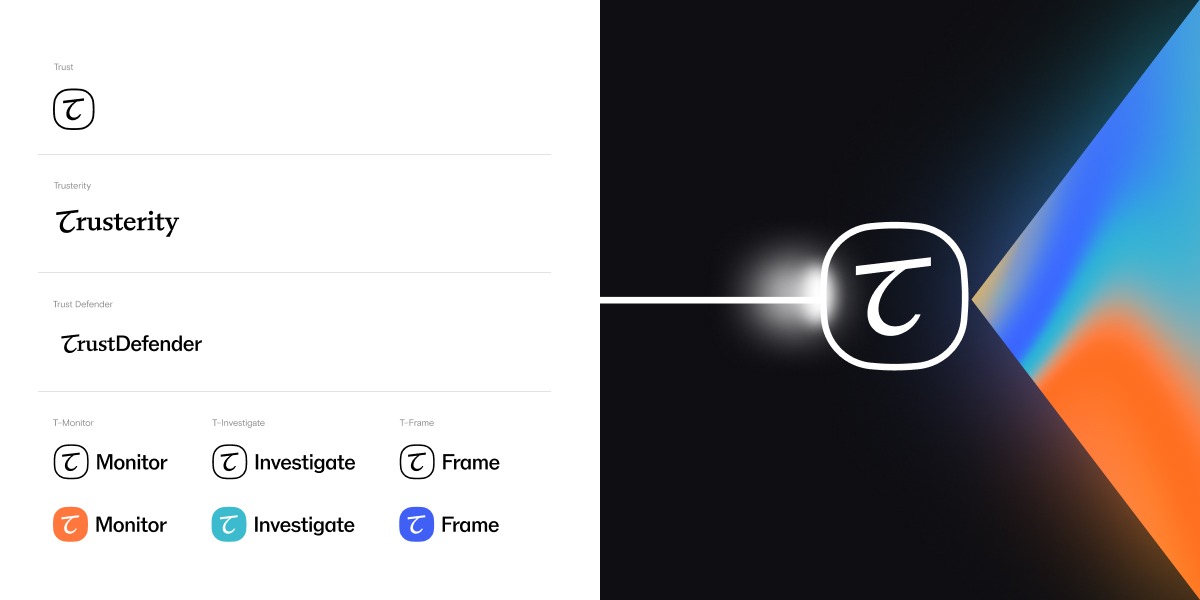
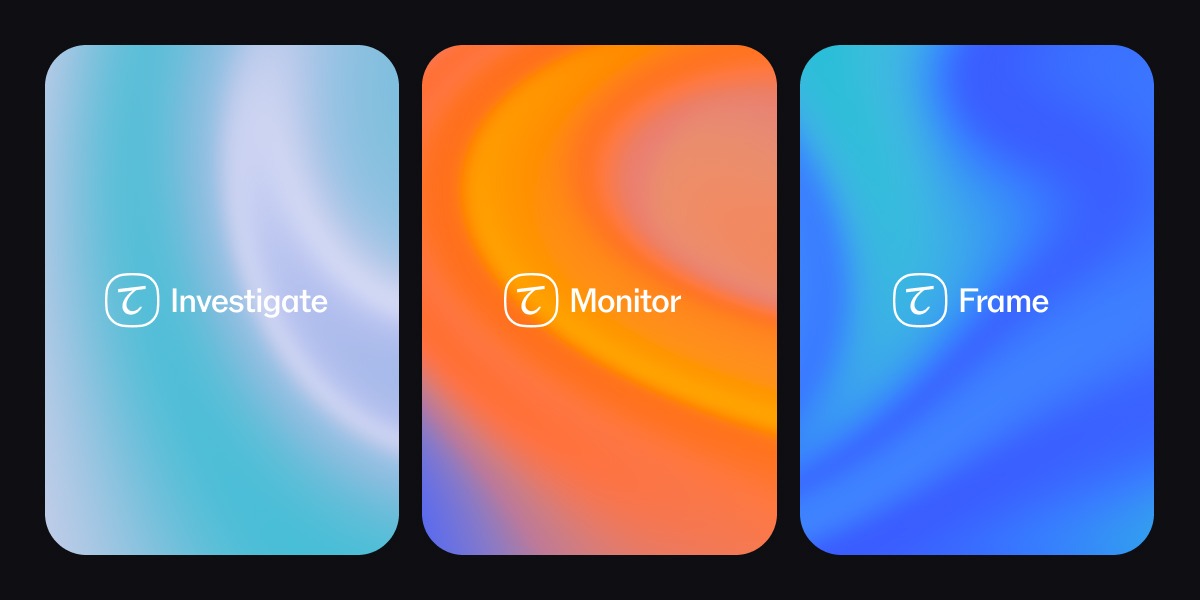
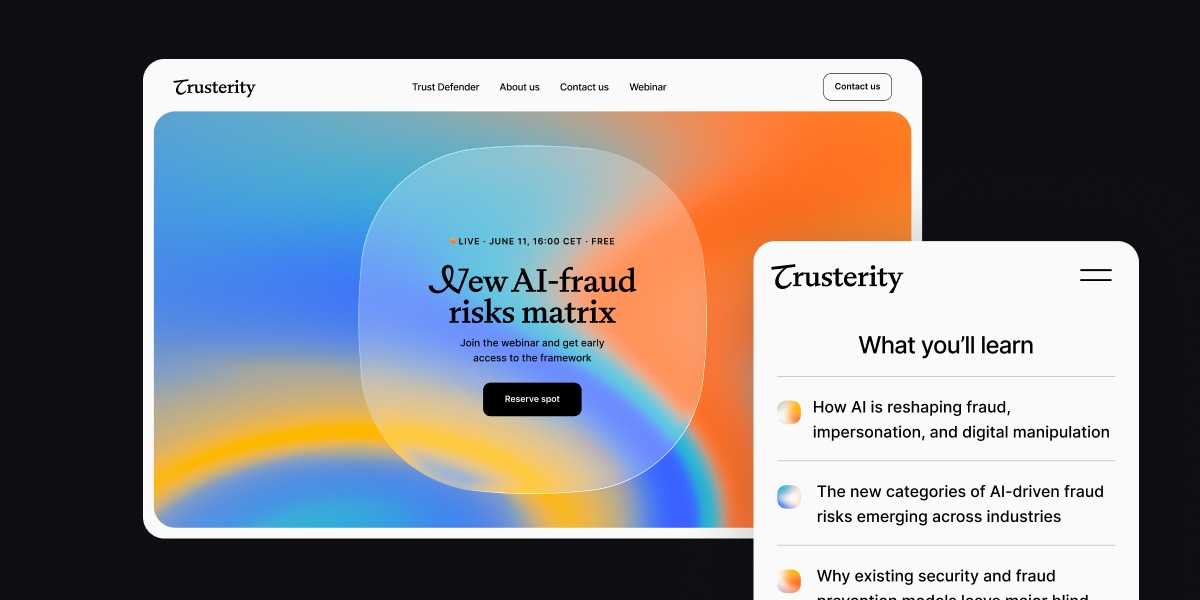
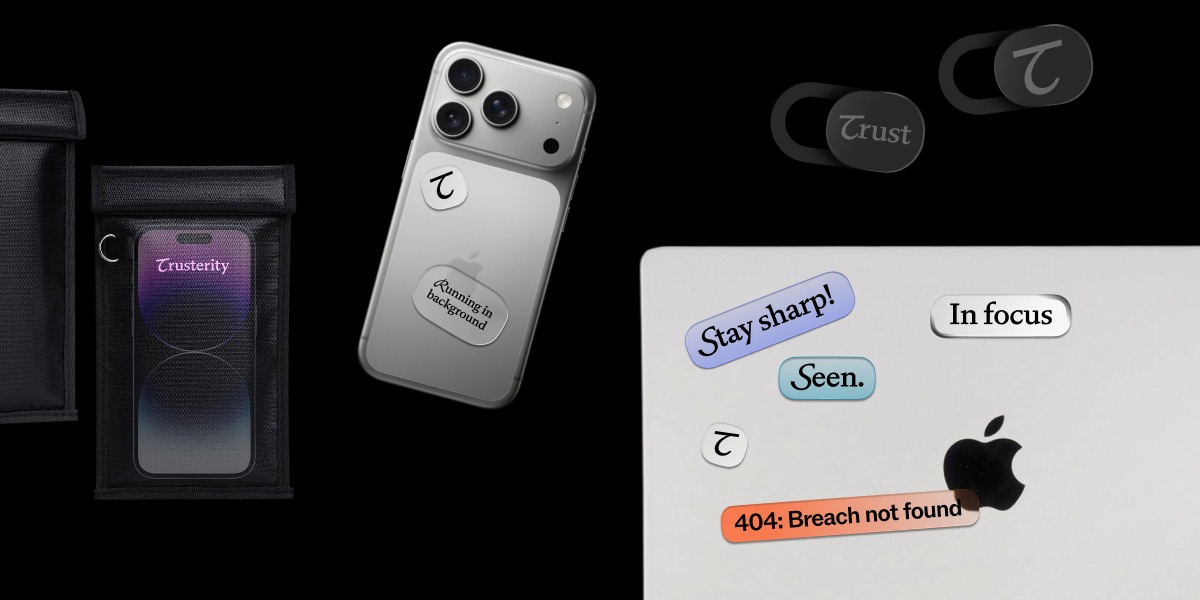
Inexplicably, most security brands look like they're trying to scare you. Dark backgrounds, neon accents, lock icons. As if the threat is the product. Trusterity was built to do the opposite. The company makes security tools that protect people, brands and operations from AI-driven threats. They had spent years in OSINT and digital investigations, but the market shifted fast, and the old category got too small for what the product had become. We helped Trusterity move beyond its roots and build a brand ready for a much larger market. First with the name. The old brand "Social Links" described a tool. The new name had to define a mission. Trusterity fuses trust and security — not as a feature claim, but as a strategic position: *securing trust in a world rebuilt by AI.* And the visual identity. The central metaphor of the system is a lens. A simple idea: transparency is what trust is built on. Look through a lens and things sharpen, become clear. Look away - and the same world blurs back into noise. The Gramercy font and unique symbols add character to heavy texts and contexts. Gradients, inspired by light passing through a lens, work as an additional visual metaphor for refraction. To make sure the team can create on-brand visual content without a designer’s help we built an AI gradient generator (https://gradient-generator-fawn-three.vercel.app/). It produces brand-consistent backgrounds in the Trusterity palette and adapts to any format: website, social media, presentations. We also created a brandbook Claude skill. A living brandbook for the team, built for an AI assistant. It holds the entire brand system inside — rules, colors, typography, naming, logos, fonts, gradients. An assistant with this skill becomes the brand's keeper: it answers any question about the brandbook and delivers the assets you need. The product has quite complex ecosystem. We built a proper architecture with a three-level naming system. Now every name shares a prefix. Every product inherits the story. A new module can be added without rebuilding anything. The website supports this architecture and explains a complex and evolving category in a clear, structured way. That's our story of making the dark light, and going further than the brief asked.

Support this project
Upvote