

Brazilian Brutalism Had Wheels: the Gurgel X-15
Project description
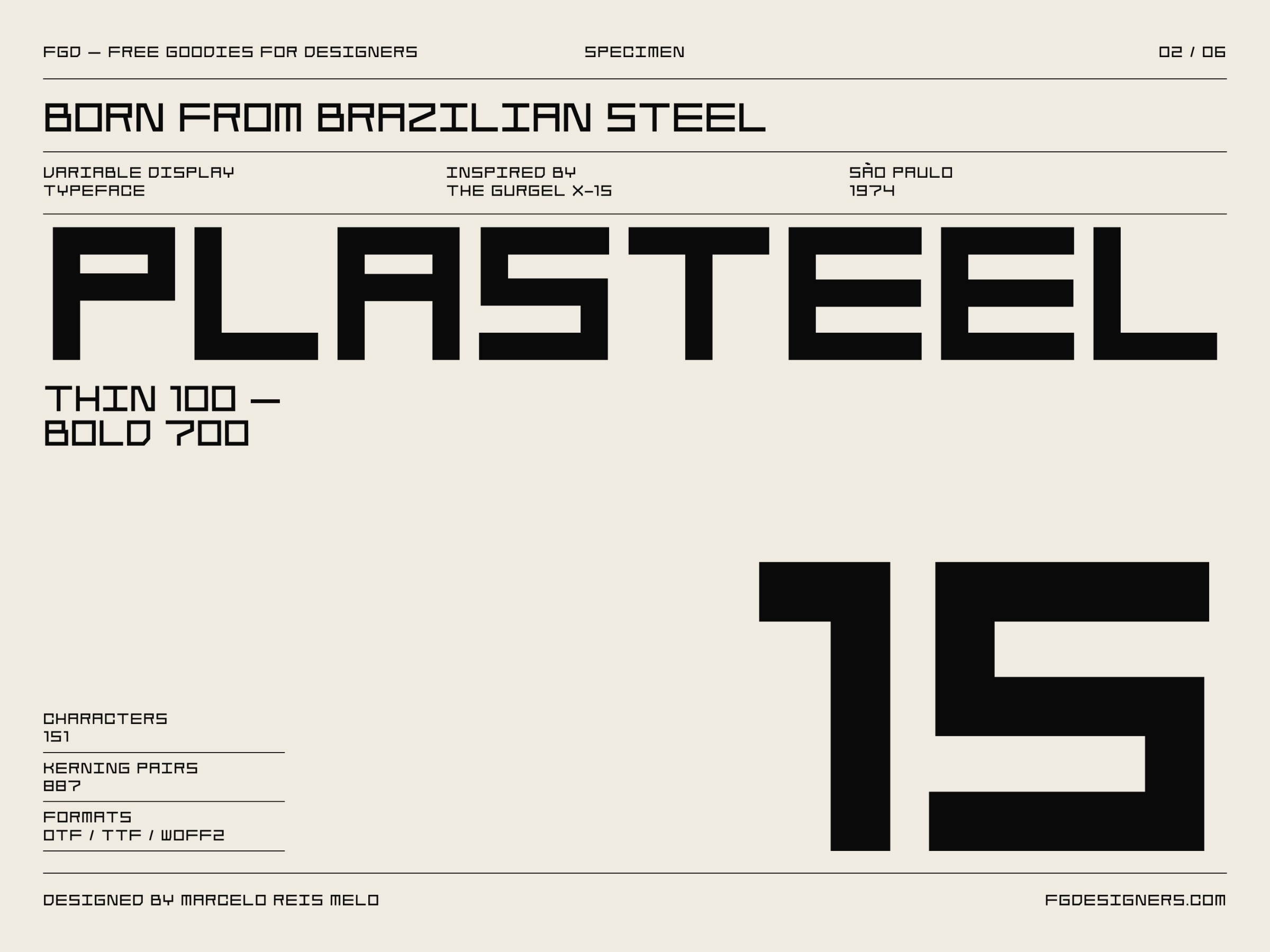
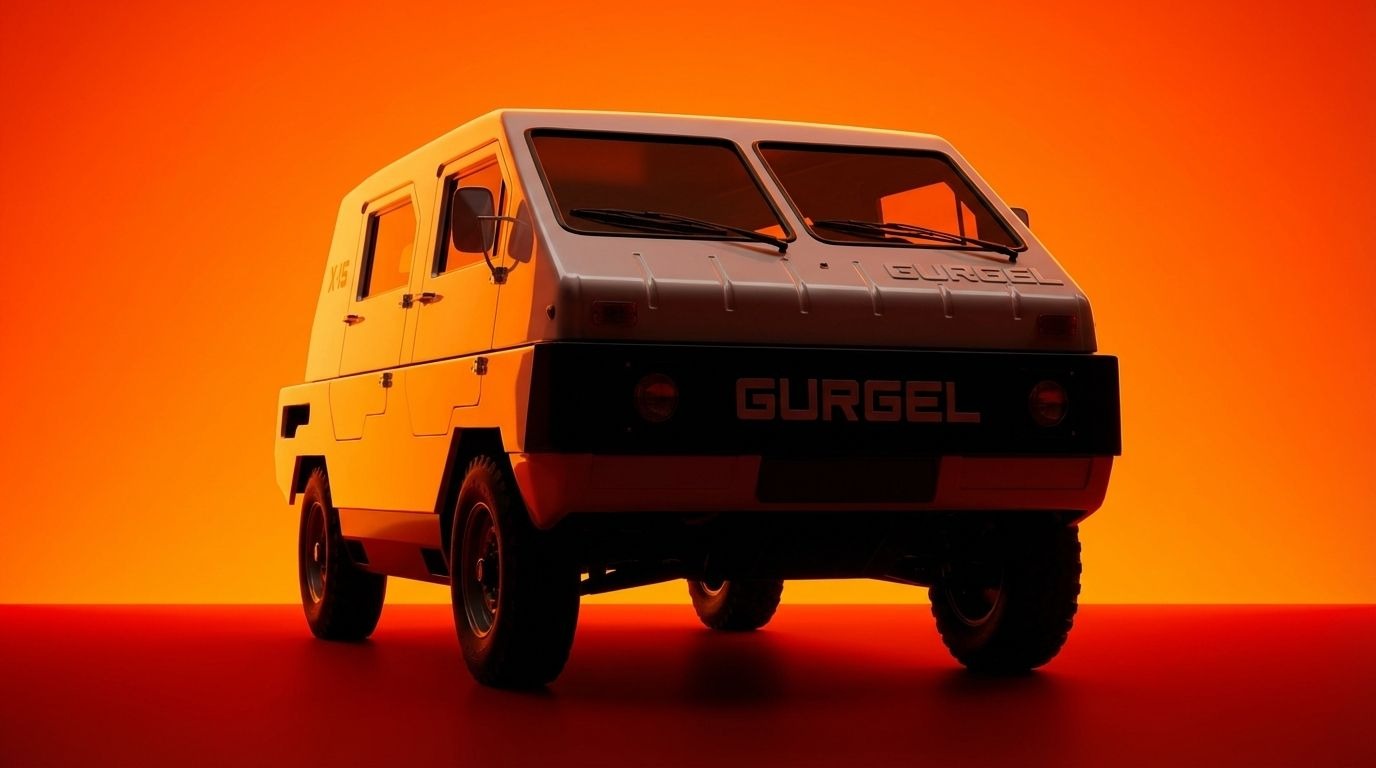
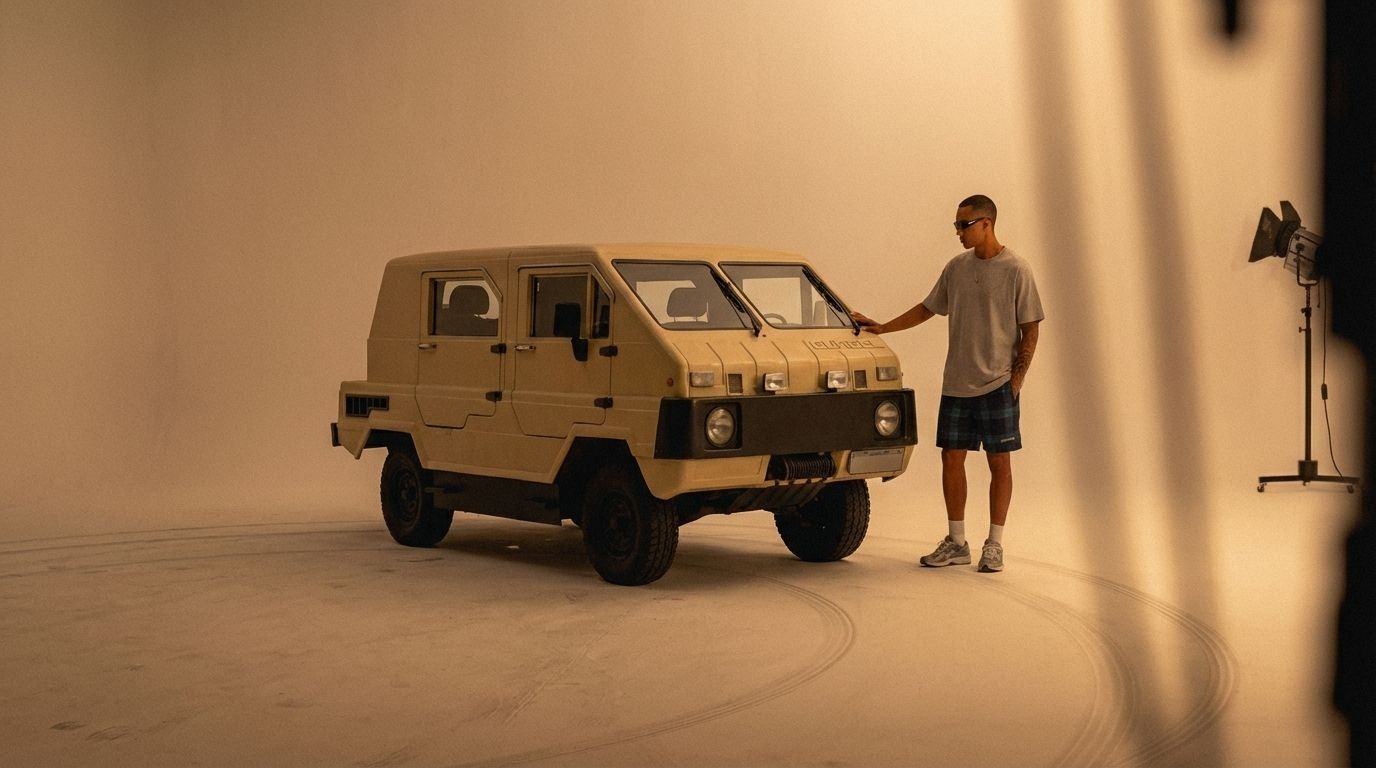
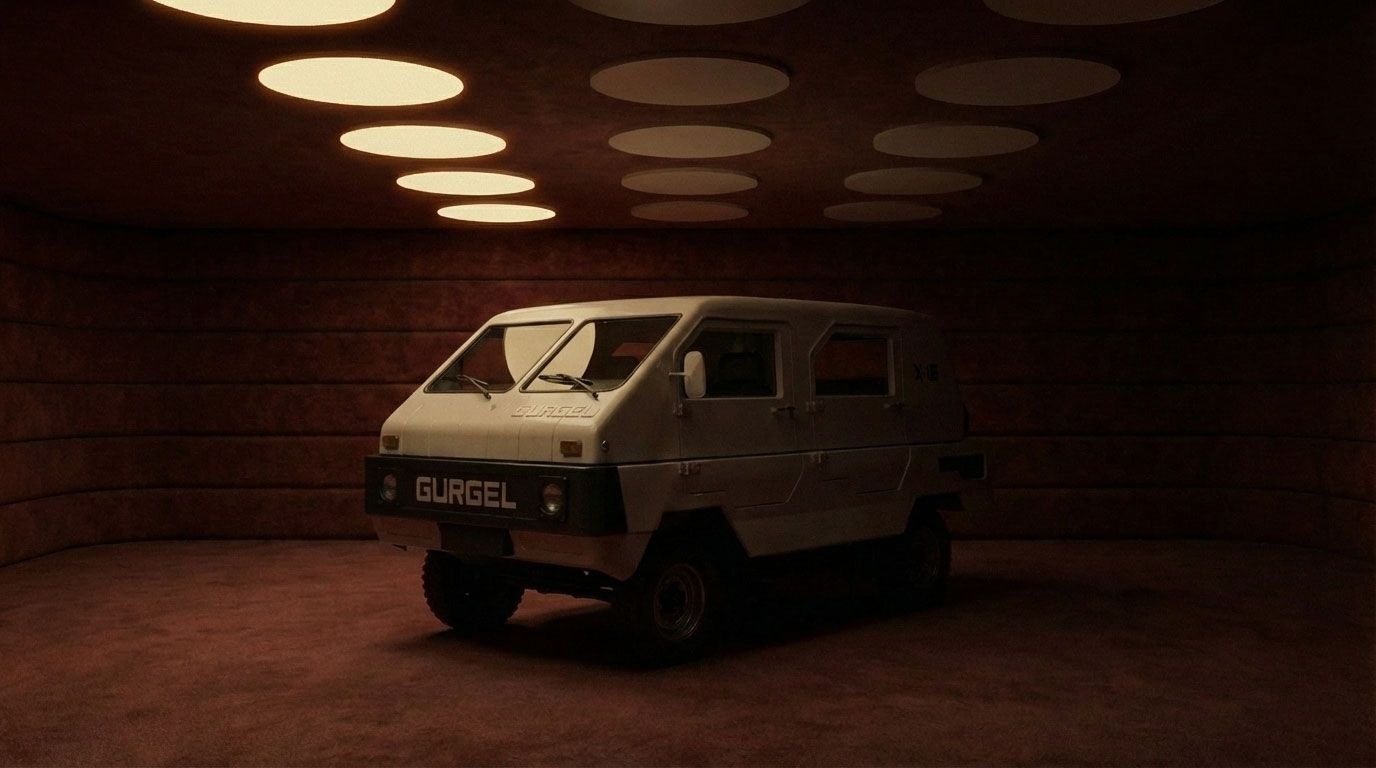
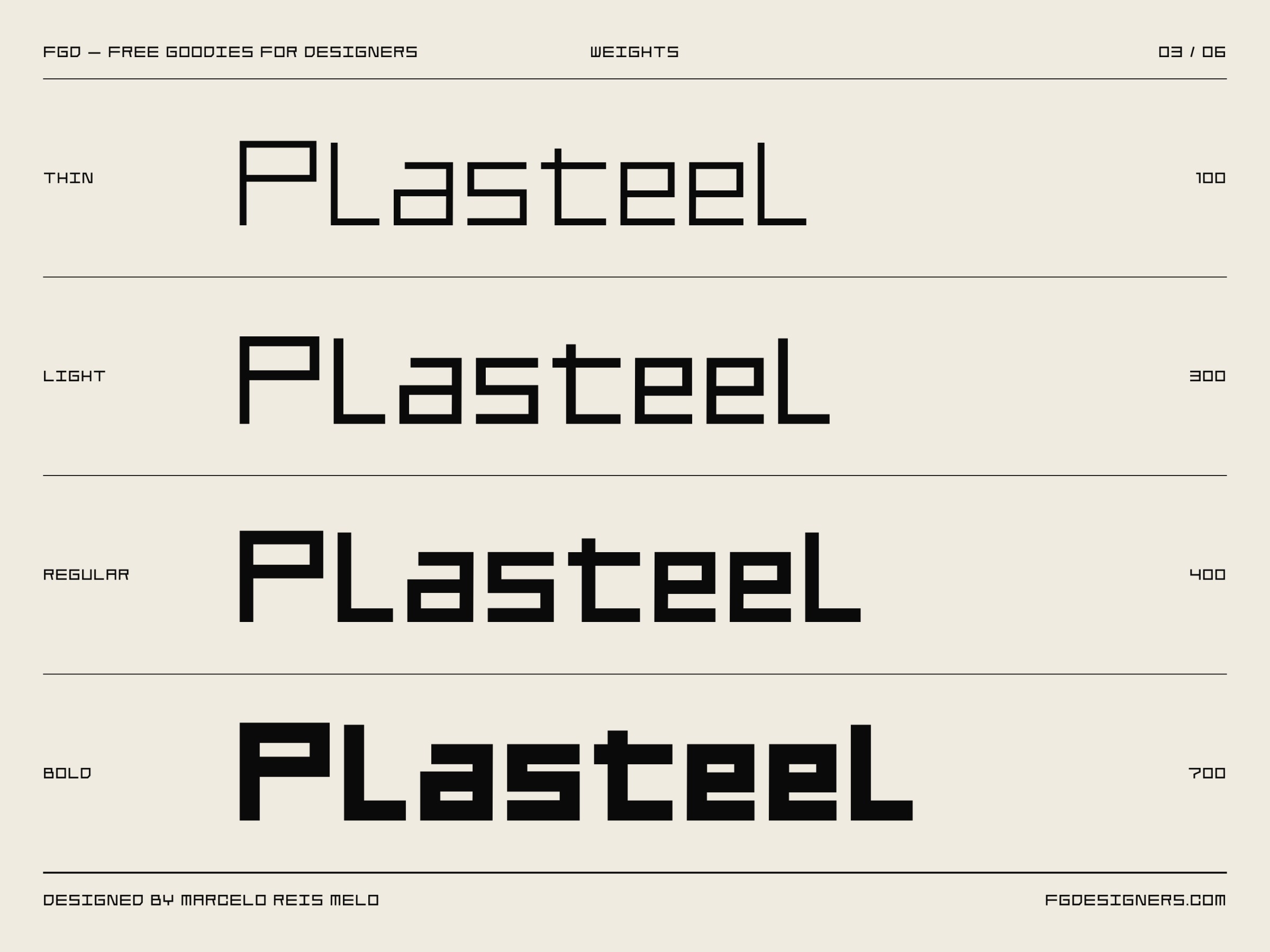
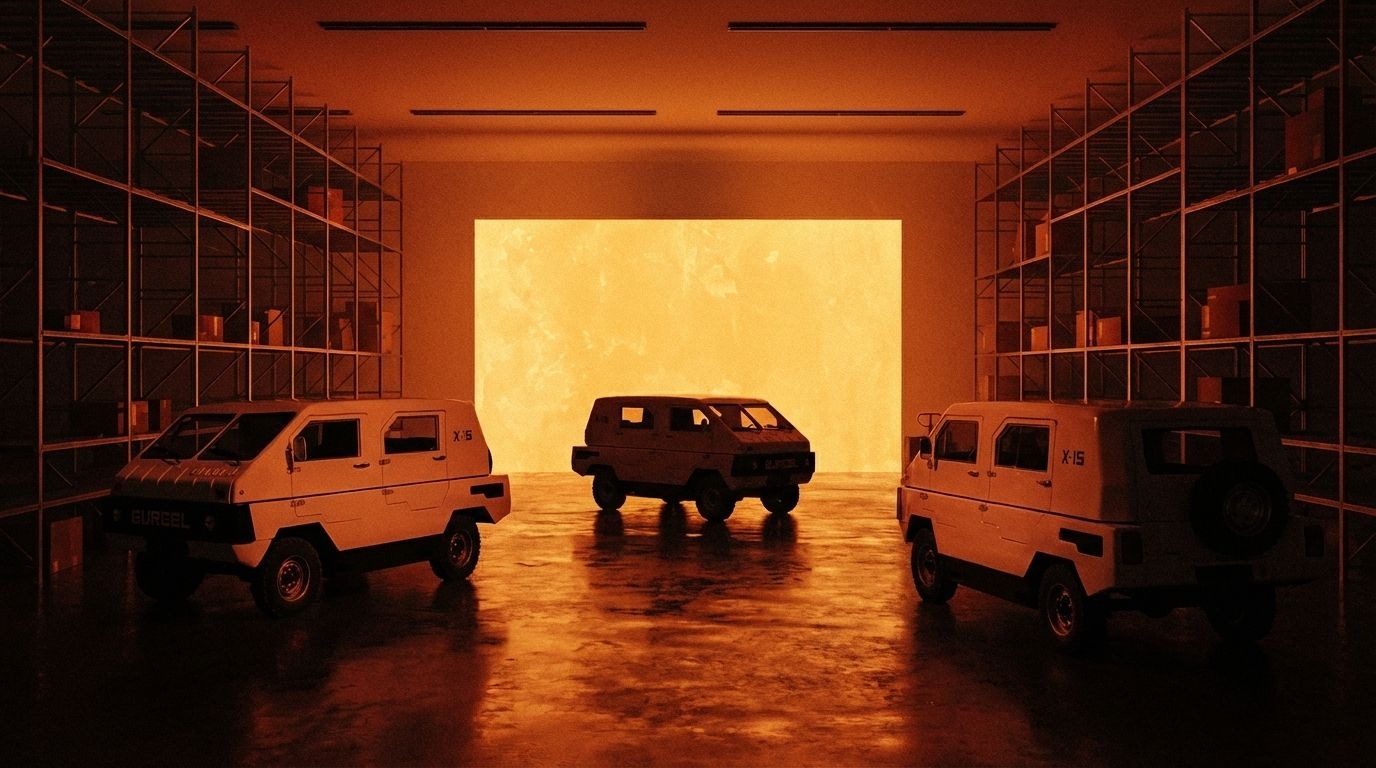
Ask most people where cars come from and you'll hear Detroit, Stuttgart, Turin, Tokyo. Almost nobody says São Paulo. But in 1969, an engineer called João Augusto Conrado do Amaral Gurgel started a car company there. Not a Brazilian factory for a foreign brand, which the country already had plenty of. His own cars, his own engineering, his own name on the front. For about twenty-five years, Gurgel built small, tough, strange-looking vehicles that didn't look like anything else on the road. If you grew up in Brazil, there's a fair chance you remember one. If you didn't, this is probably the first time you've heard of them. Either way, stay with me. It ends with a font and a video game. A MATERIAL HE MADE UP Gurgel's big idea wasn't a shape. It was a material. He built his cars from fiberglass bonded to a steel frame: lighter than a metal body, tougher than plain plastic, and it doesn't rust. Brazil has a lot of rain, a lot of mud and a lot of roads that aren't really roads, so that last part mattered. He gave it a name that sounds like a superhero, or a rock band: Plasteel. There's a Brazilian word, gambiarra, for making do: fixing things with whatever's lying around. Gurgel is the opposite of gambiarra. It's what happens when someone with no budget for glamour designs the whole thing properly, from the material up. A BRUTALISM THAT DIDN'T KNOW IT WAS BRUTALISM Look at Brazil in the 1970s and one material is everywhere: raw concrete. The Paulista school, with Vilanova Artigas, Paulo Mendes da Rocha and Lina Bo Bardi, built São Paulo out of exposed concrete. They didn't hide the structure, they made it the point. Things looked the way they were built. Gurgel's cars come from the same place. Flat panels, because flat panels are easier to mould and stronger for their weight. Hard edges, because that's where the panels meet. Big square windows, because square glass is cheaper. Nobody sat down to design a "brutalist car". It's just what honest engineering looked like in that country, at that time, on that budget. A style that came out of constraints, not out of a mood board. THE X-15: A BOX, AND PROUD OF IT Of all of Gurgel's cars, the X-15 is the most extreme. A box on four wheels: flat front, flat sides, flat roof, the GURGEL name pressed straight into the nose. A utility vehicle built to carry people and gear over bad roads, and it looks exactly like that. Put it next to a Paulo Mendes da Rocha building and they could be cousins. THE LETTERS Gurgel didn't last. By the mid-nineties the company was gone, and its lettering went with it. It was never a typeface, just a few letters on a badge. The font was the project. I spent a whole summer drawing it by hand, trying to turn the letters on the Gurgel logo into a full alphabet while staying true to where they came from. That's Plasteel. DRIVING ONE The car still exists. Collectors still sell them, but I don't live in Brazil, so I built a way to drive one anyway: Type Rally, a small browser game where you drive a Gurgel and pick up the letters of the font along the way. It's fun, and if you collect every letter you get 25% off Plasteel. WHY BOTHER Every country has design history nobody exports. Brazil has more than most: the concrete, the modernist posters, the cars. Plasteel is my small way of putting one piece back on the shelf. If you're Brazilian, I hope it brings back a car you'd forgotten. If you're not, now you know: for a while, Brazil built its own. I hope you enjoy it. Play: https://fgdesigners.com/rally The story: https://fgdesigners.com/plasteel
Support this project
Marcelo voted for this project